
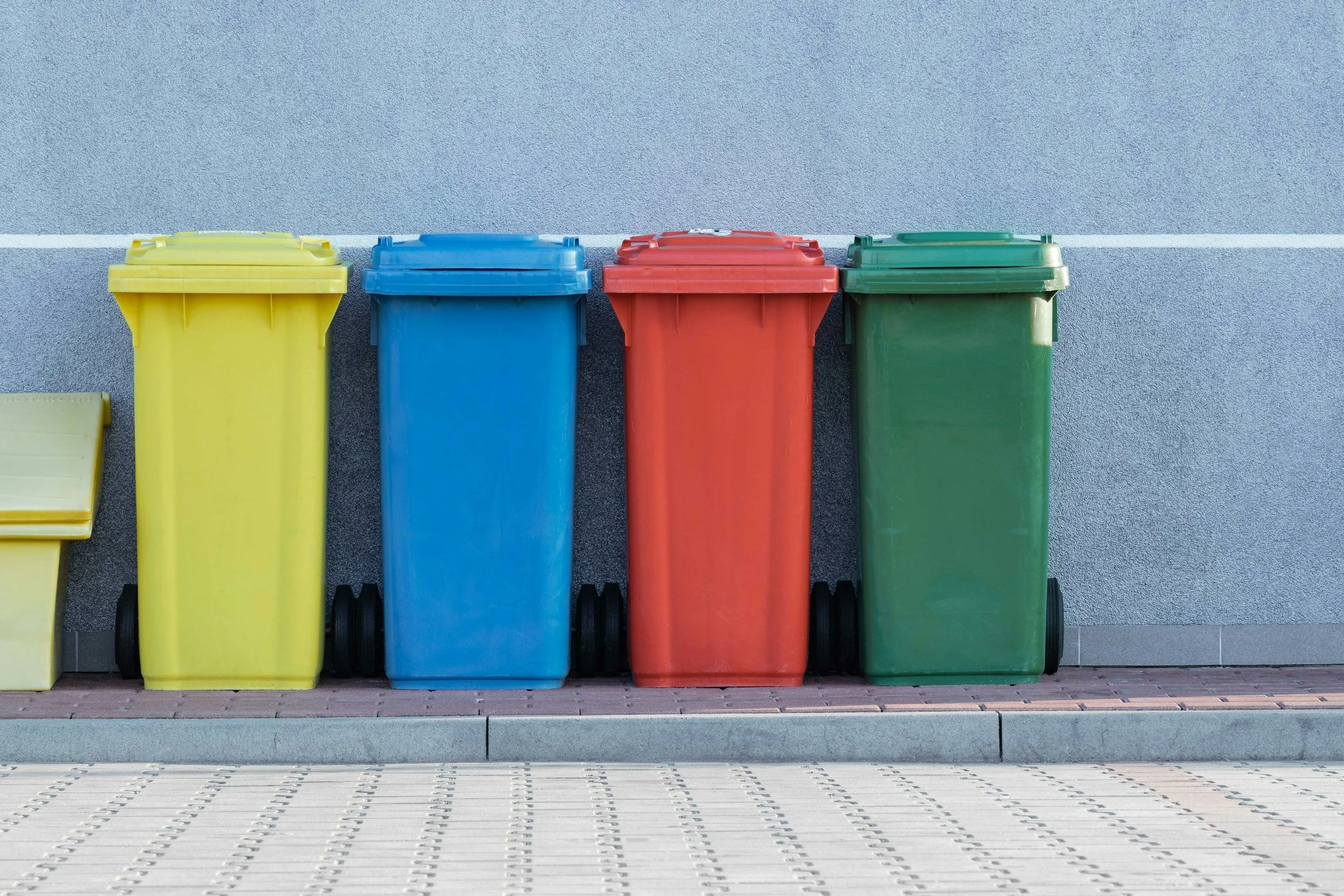
Waste & Recycling
1. Reducing Greenhouse Gas Emissions
When waste ends up in landfills, it decomposes and produces methane, a greenhouse gas far more potent than carbon dioxide in the short term. According to the United Nations Environment Programme, methane from waste is a significant contributor to global warming.
Recycling and composting:
• Reduce landfill methane emissions
• Lower emissions from extracting and processing raw materials
• Cut emissions from transportation and manufacturing
2. Saving Energy = Lower Carbon Emissions
Manufacturing products from recycled materials typically uses much less energy than making them from virgin resources.
Examples:
• Recycling aluminium saves up to 95% of the energy needed to make new aluminium.
• Recycling paper reduces energy and water use compared to producing new paper from trees.
Less energy use means fewer fossil fuels burned, which aligns with global climate goals under agreements like the Paris Agreement.
Why are waste reduction and recycling initiatives important to the community of Tattenhall?
Waste reduction and recycling are critical in countering the impact of climate change because they directly reduce greenhouse gas emissions, conserve energy, and limit environmental damage across the entire lifecycle of products.
Here’s how:

Pill Packet Recycling
Pill packets (or ‘Blister Packs’) are made up of multiple bonded materials which mean that they can’t be recycled via our household bins
They soon mount up and can lead to the waste of valuable materials including aluminium.
A great initiative led by Tattenhall Parish Council and Transition Tattenhall provides a way to recycle your empty pill packets. This enables recovery of the valuable component parts
Collection points are available at the Village Post Office and Church Bank Homecare. Boots on Foregate Street in Chester also provide a collection point
3. Conserving Natural Resources
Extracting raw materials (mining, drilling, logging) is energy-intensive and carbon-heavy. Recycling:
• Reduces deforestation
• Decreases mining and drilling
• Protects ecosystems that naturally absorb carbon
Healthy forests, wetlands, and soils act as carbon sinks — crucial for stabilising the climate.
4. Supporting a Circular Economy
Climate initiatives increasingly promote a “circular economy,” where materials are reused instead of discarded. Organizations such as the World Economic Forum emphasize circular systems as key to meeting global climate targets.
In a circular system:
• Products are designed to last longer
• Materials are reused and repaired
• Waste is minimised
This reduces total emissions across supply chains.
5. Reducing Industrial Pollution
Waste prevention lowers demand for energy-intensive industries like:
• Cement
• Steel
• Plastic production
These sectors are major carbon emitters globally. Cutting demand reduces overall industrial emissions.
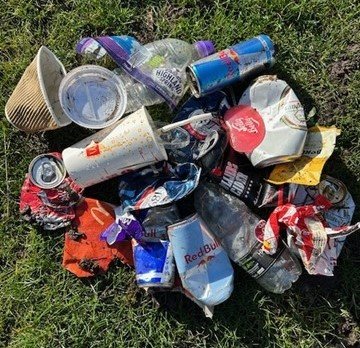
Littering
Littering affects our Village and the surrounding lanes and seems to have increased in recent times.
An active group of local litter pickers deal with the symptoms - but how can we address the cause? Perhaps signs appealing for people to “love (and respect) where they live” and where they pass through? Perhaps raising awareness and educating folks about the harm caused by littering?
If you have ideas or suggestions please use the Contact Us form to get in touch.
You can read the thoughts and observations of a litter picker in the News section here and here
In Simple Terms
Waste and recycling matter for climate change because they:
• Cut methane emissions
• Save energy
• Reduce fossil fuel use
• Protect carbon-absorbing ecosystems
• Support sustainable production systems
Climate change isn’t just about power plants and cars — it’s also about how we produce, consume, and dispose of materials.
Transition Tattenhall seeks to initiate and sustain initiatives that tackle the causes and consequence of consumption.