
The Climate Crisis Has Arrived: It’s Time to Stop Passing the Buck
There is nowhere left to hide from the impending environmental catastrophe. Young people remain burdened with the responsibility of global systemic overhaul, while the levers of change are far beyond our reach, writes Frankie Crew.
For under-25s, crisis has become the norm. Financial crashes, a global pandemic, war in Europe and sky-high bills are the backdrop within which we inherit a planet struggling to survive. In 2025 alone, record temperatures caused wildfires which scorched Southern Europe, thousands were killed by deadly floods in the Indian subcontinent, and a collapsing glacier wiped the Swiss village of Blatten off the map. So why is it left to young people to care about the destruction of the world we all share?
Perhaps, it is because most assume that it is a problem of the future that they will never have the misfortune to have to deal with. Or, because they believe that there are more pressing matters. Both of these assumptions are incorrect. The climate crisis is real - and it’s happening now. It is no longer a distant, theoretical prospect for the future to deal with, it is intrinsically linked with the economic, social and technological systems of the 21st century we all inhabit.
There is no area of modern life that is not related to environmental destruction. Warming sea temperatures are dismantling natural ecosystems and driving up prices for consumers. Smartphone batteries made from cobalt and lithium are farmed at the cost of enormous energy consumption and the burning of tons of fossil fuels. The data centres that power every web page, social media site and AI chatbot gorge on hundreds of billions of litres of water a year. Plastic pollution has become so widespread that it has now been found in human brains, livers, kidneys, placentas, and (in one study) in every human semen sample tested.
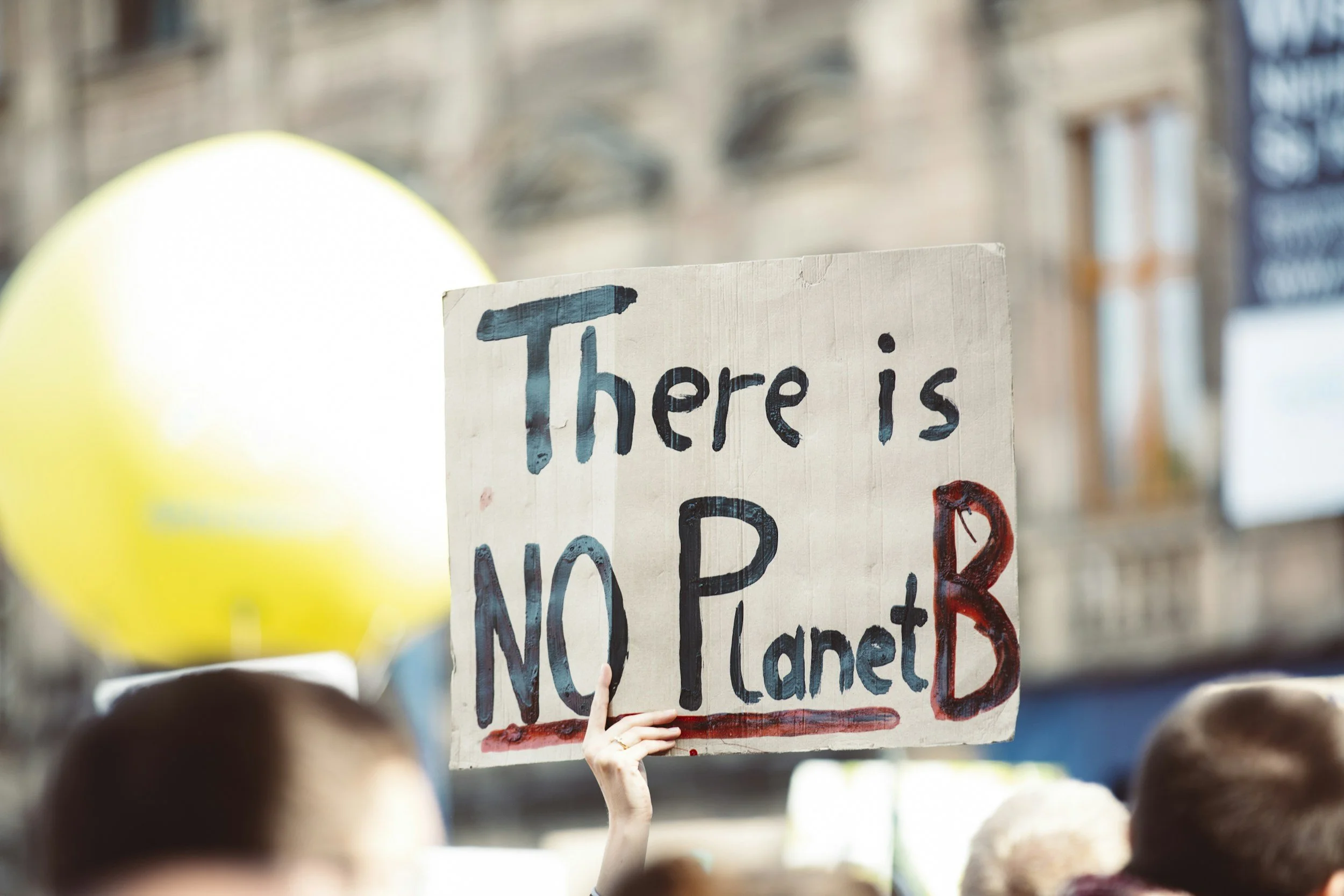
It’s certainly difficult for young people to envisage a future, when the present already seems catastrophic.
How can we move out into our own space when the average UK home costs eight times the income of a family, a deficit which has doubled over the last 30 years?
We are told to save energy, but in an overpriced and overcrowded housing market, most of my generation are forced to rent properties with poor insulation and expensive bills.
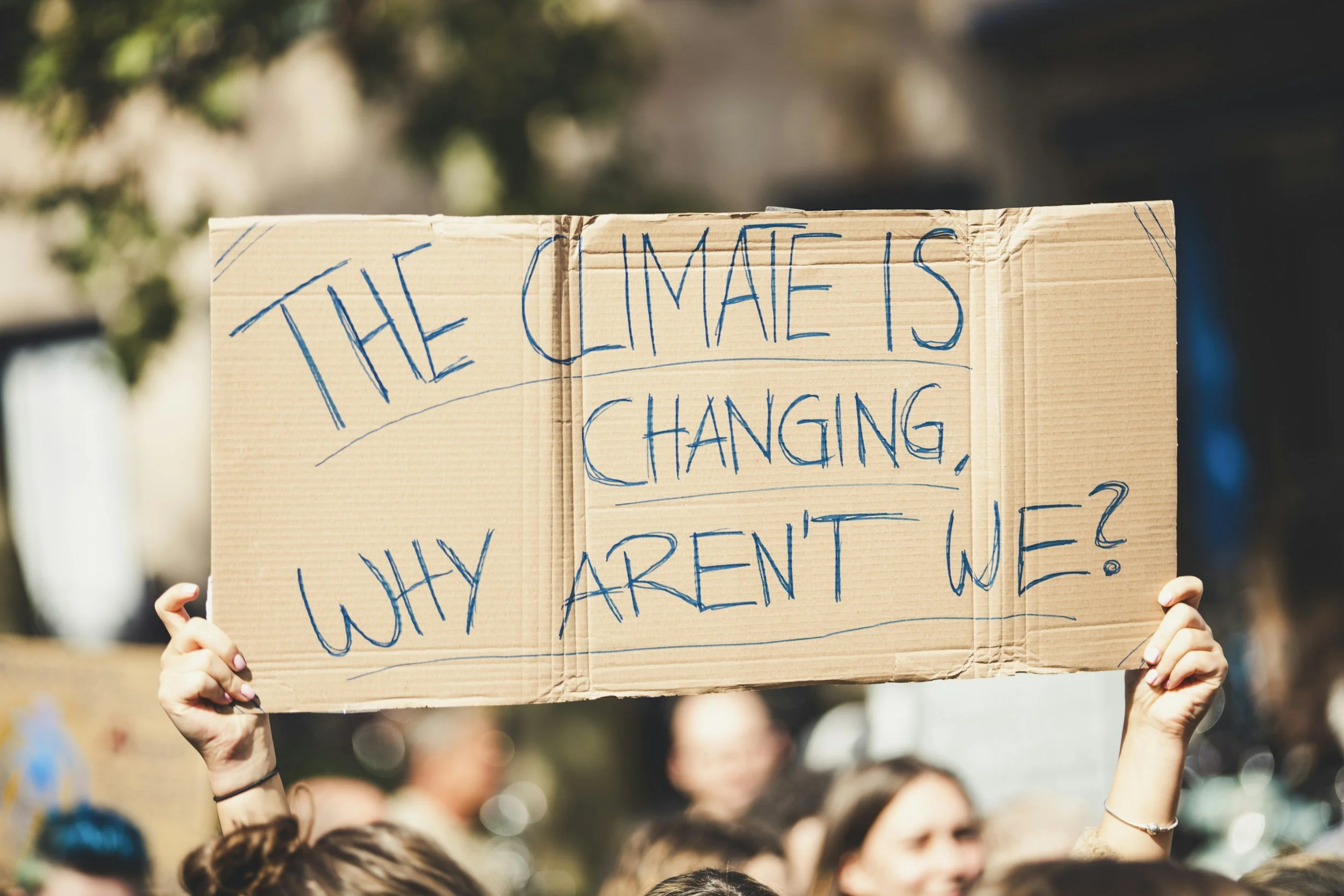
We are told to eat sustainably, or buy an electric car, but these are almost hysterically unaffordable for most under 30.
All the while, we are gaslit into believing that we are exaggerating the severity of the problem. The wildly different experiences of our generation have opened up a chasm of misunderstanding with the ones who had the luxury of delay.
Being green is now a financial choice, priced into an economy awash with vast wealth inequalities.
We are being passed dynamite with a shortening fuse and told it’s the torch of the future.
No single generation, or subset of the population, can deal with this metacrisis alone. It is not an impossible challenge, but it will take brave leadership and decisive, collective action. On both counts, previous generations have fallen scandalously short. Gen Z can’t yet afford to save the world, but we will be the ones who pay the price for a legacy of paralysis.