
Heading to the beach or river? you might want to read this …
Tattenhall isn’t the only place where Citizen Scientists monitor the quality of local water courses
Surfers Against Sewage recently published the findings of another year of water quality results collected by volunteers working across 42 locations in England, Wales and Scotland testing rivers, streams and coastlines.
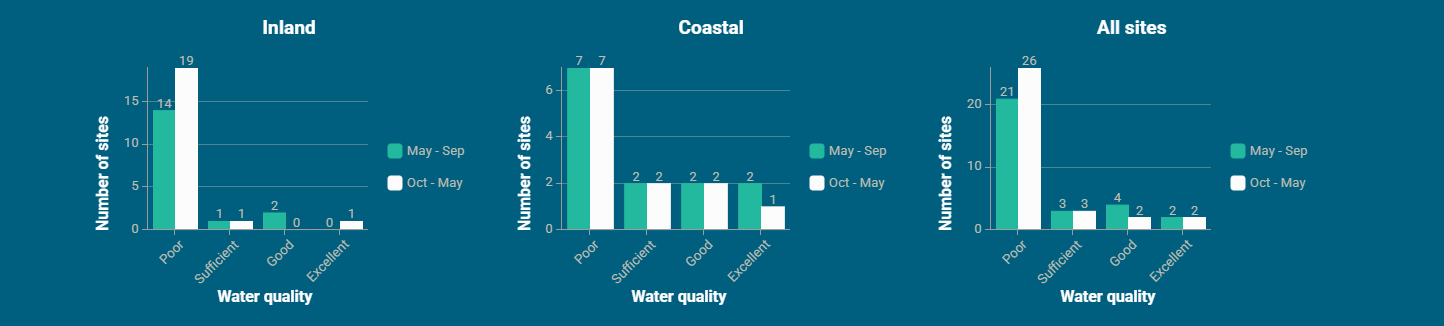
The results aren’t good with 81% of sites tested having poor water quality across the year. Even during the official summer bathing season, 70% of sites were rated "Poor". Even though we still get in the water in winter, water quality consistently worsened - precisely when official testing often stops.
Click on the image below or here to see the results.
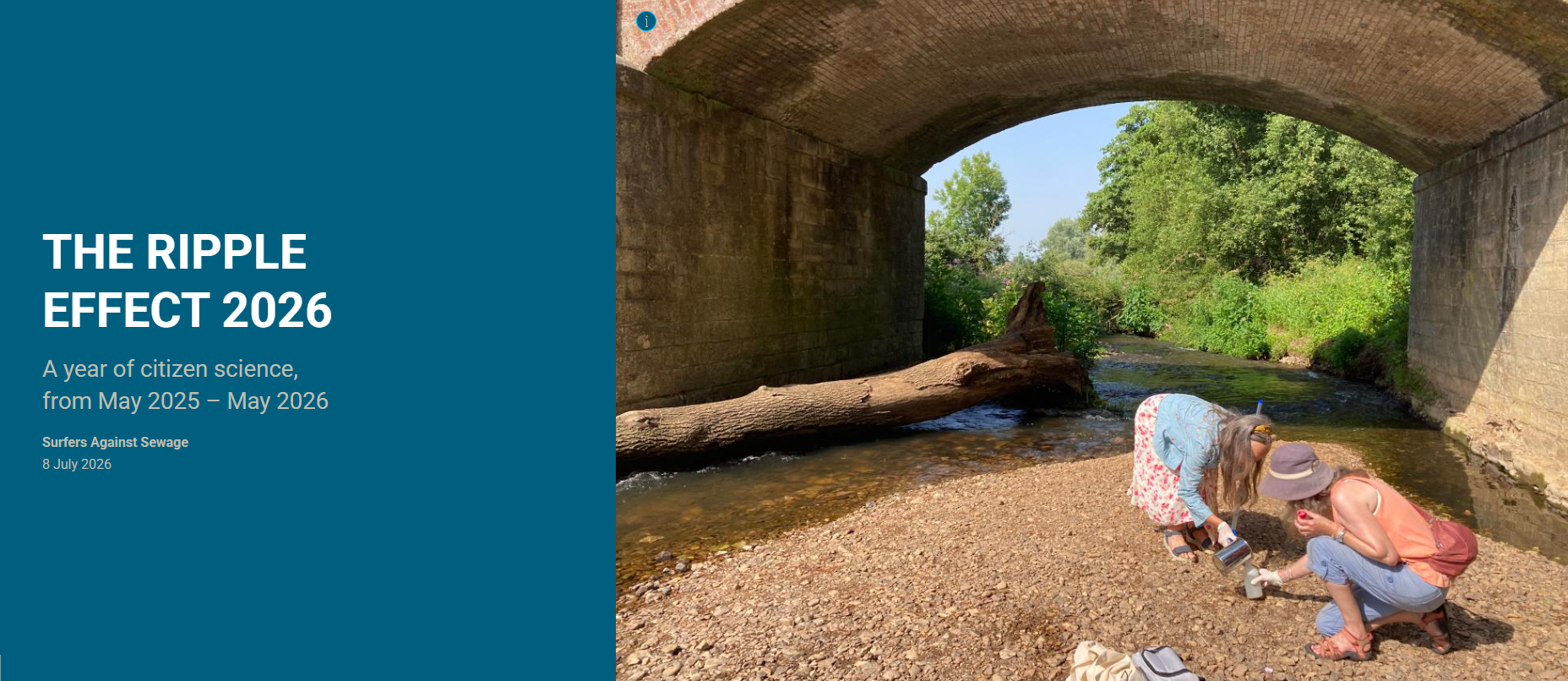
Tattenhall’s water quality monitoring project focuses on nutrients whereas volunteers coordinated by Surface Against Sewage test for two types of harmful bacteria that indicate faecal pollution: E. coli and intestinal enterococci.
While regulators generally only test bathing waters between May and September, these citizen scientists continued testing all year round - revealing the pollution that's being missed.
At the last assessment, the Environment Agency concluded only 14% of rivers in England were ecologically healthy. Rivers are threatened by a cocktail of pollutants: from sewage pollution, agriculture, industry and transport. The water quality results presented in this report show that only TWO of the river sites tested had "Good" or "Excellent" water quality – while the other 25 were "Poor".
Why this matters
People surf, swim, paddle and enjoy our blue spaces throughout the year. They deserve to know whether the water is safe, whatever the season.
But communities shouldn't have to fill the gaps left by our current monitoring system.
That's why Surfers Against Sewage are calling for:
🧪 Year-round water quality testing.
🦠 Testing for a wider range of pollutants.
⏱️ Real-time continuous monitoring so communities can make informed decisions.
The report is more than a collection of data. It's powerful evidence that can help drive the policy changes our waters urgently need.