
Water Quality
Transition Tattenhall has a new project initiative we have begun in partnership with the Welsh Dee Trust.
Healthy streams and rivers are an essential part of nature, providing a huge number of benefits including water for people, industry and farming, habitats for wildlife, flood and drought resilience, and opportunities for recreation and wellbeing.
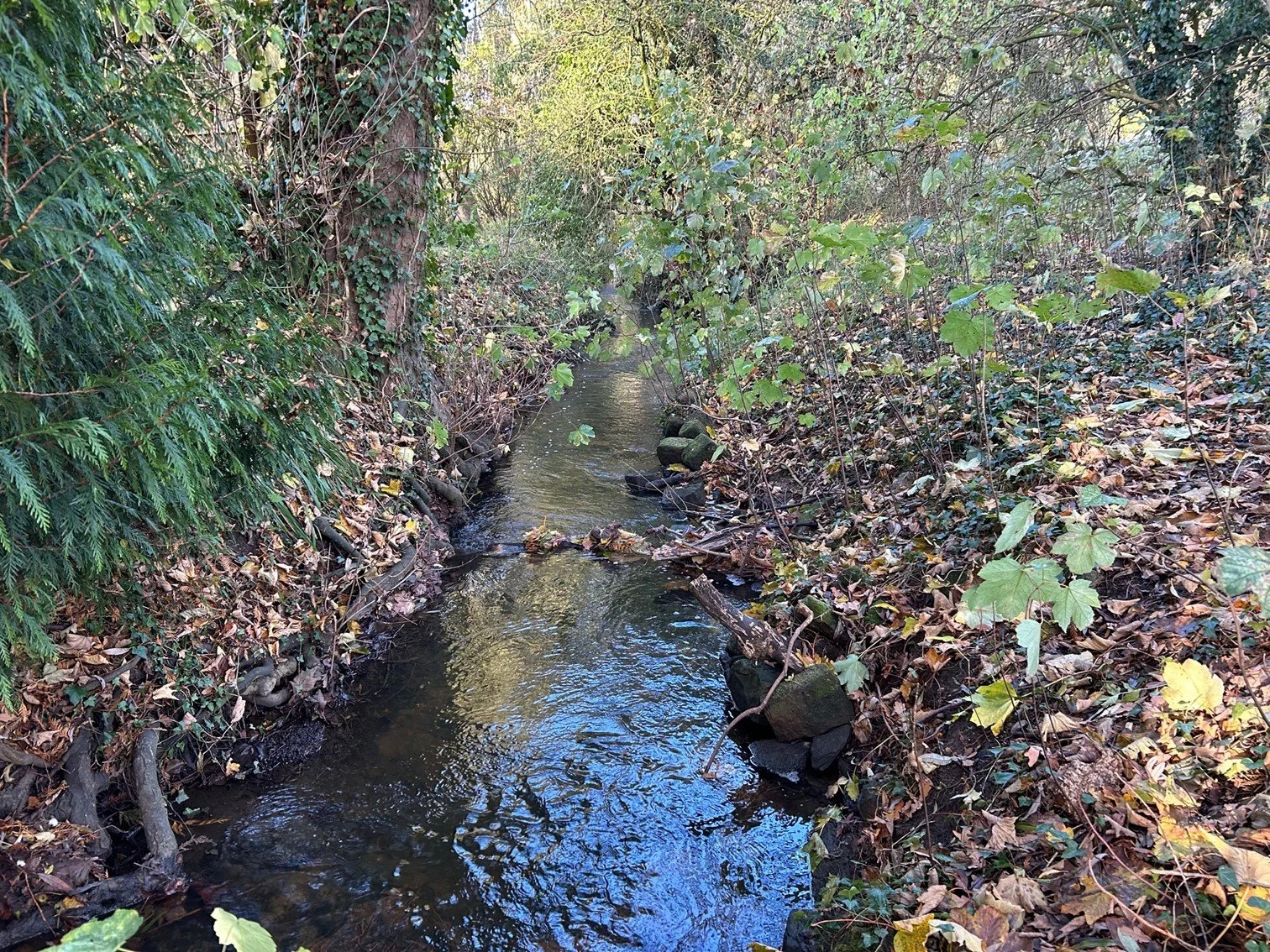
The streams that flow through Tattenhall make their way into Golborne Brook, which flows into Aldford Brook and from there into the River Dee. Previous water quality monitoring has shown that the quality of the water is particularly poor.
To further understand the issue, we have commenced a 12-month citizen science water quality monitoring project on the watercourses flowing through the parish towards the River Dee. This will provide a finer resolution of monitoring data than currently available and enable better targeting of interventions to improve water quality.
Transition Tattenhall volunteers are regularly sampling streams at accessible points in the catchment and submitting results to the Welsh Dee Trust. The dataset produced through the project will provide information on water quality at several locations on streams within the parish. This can then be used to:
Raise awareness within the community of water quality issues
Inform conversations with residents and land managers on measures to improve water quality
Target incentives and advice by organisations such as the Welsh Dee Trust
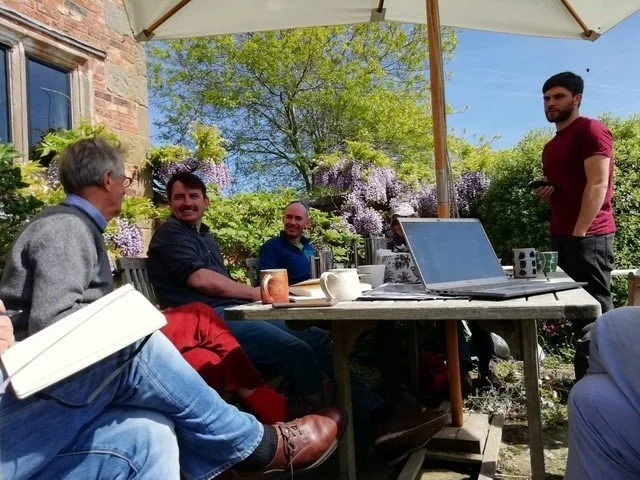
Welsh Dee Trust Training Day
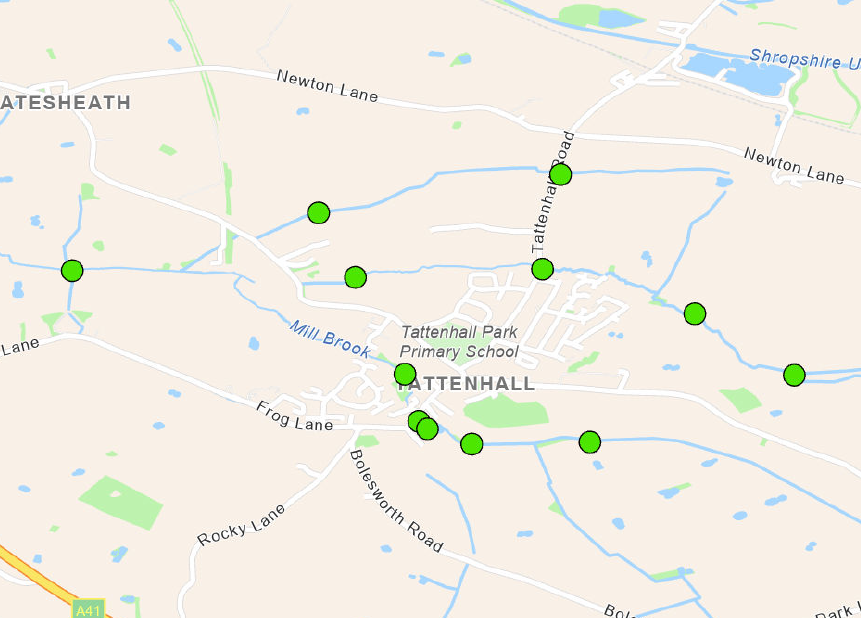
Sampling Locations
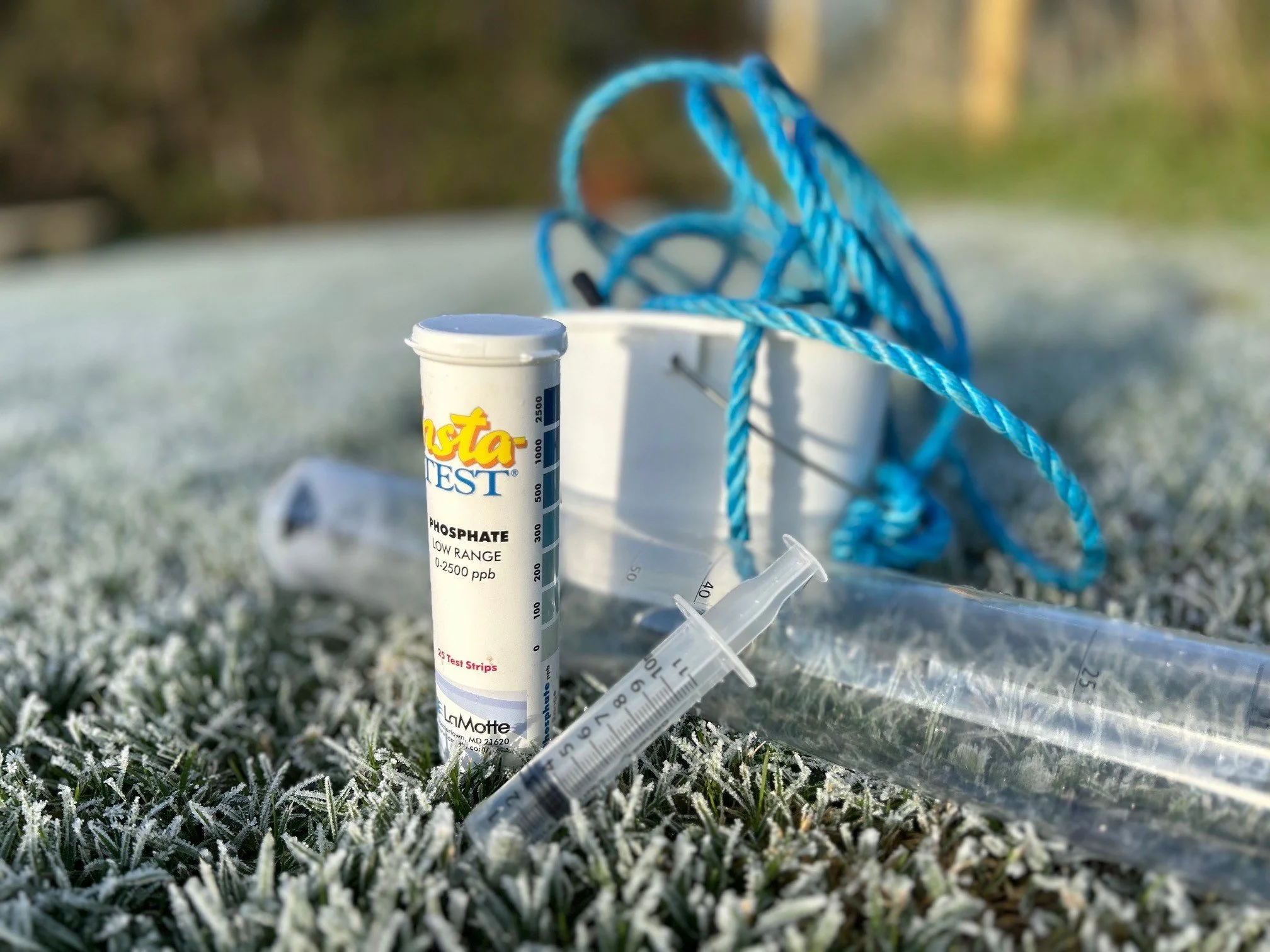
Sampling Equipment
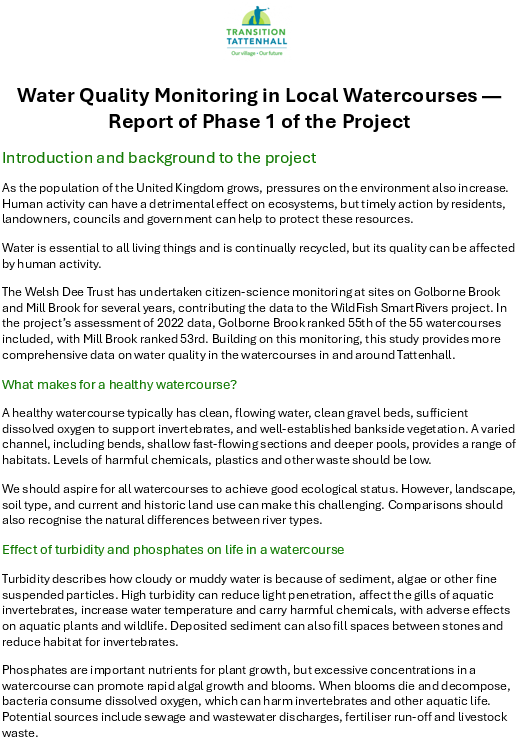
We’ve produced a report of findings from the first phase of this project collected during 2025 and 2026. Click here or on the image to read the report.
This provides more details about the sampling locations, the analysis methods and what these test methods can tell us about the health of our streams and brooks.
It also summarises the results obtained for concentrations of phosphate (an important nutrient) and turbidity (a measure of cloudiness) and compares water quality in Tattenhall to other areas of the River Dee catchment.
The report describes how concentrations of phosphate around Tattenhall appear to be higher than other parts of the River Dee catchment and identifies some ‘hot spots’ where concentrations are higher than others. These warrant further, more detailed investigation to understand potential sources.
In addition to our report you can explore results collected by other citizen scientists across the Dee catchment with these useful colour coded maps.
Phase 1 Report
So what next?
The test method used for phosphates in Phase 1 is based on a ‘test strip’ and comparison of colour to provide an indication of concentration. This method provides a useful indication of relative concentrations but isn’t very precise. Phase 2 of the project planned for 2027 will therefore employ more accurate instruments to build the data set.
Phase 2 will focus on the ‘hot spots’ identified in Phase 1, employ more accurate methods and a much wider set of parameters to assess the overall health of our streams and brooks. These include:
Water chemistry - Phosphate, Conductivity, Turbidity, Nitrate, Nitrite and Ammonia to provide a more complete picture of water quality,
Ecology - plant life and wildlife, and
Physical Characteristics - channel bed materials, depth and flow.
Phase 2 of the project is linked to a wider network and is facilitated by the Rivers Trust providing us the opportunity to meet with other likeminded groups to compare results and share experiences.
We would like to thank The Dee Trust for their much valued help and support (technical, financial and motivational) during Phase 1 and for helping us shape the next stage of our project.