
Something to think about the next time you use AI
This news feature isn’t altogether anti- Artificial Intelligence (AI) but provides something to consider the next time you reach for ChatGPT, Claude, CoPilot or similar.
An article was published recently in mainstream media under the title “Slough is like an experiment’: Europe’s largest data centre hub leaves town sweltering”.
The information below provides a synopsis of the main points.
In the spirit of irony - and to illustrate the environmental contradiction - the words below were generated by AI in a mere moment.
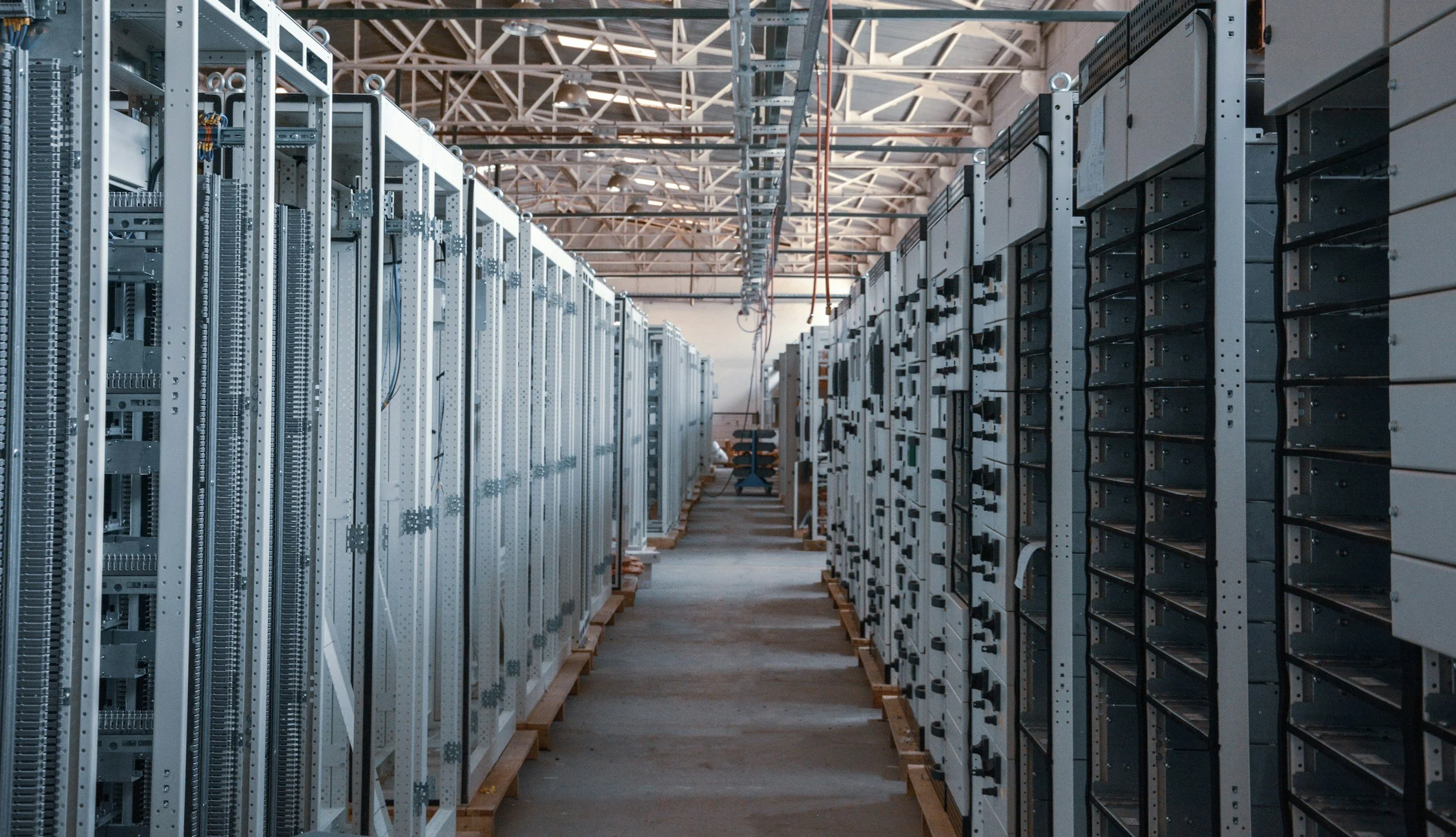
The article explores concerns that the concentration of data centres in Slough, now regarded as Europe's largest data centre hub, may be contributing to significantly higher local temperatures, compounding the effects of climate change and urbanisation.
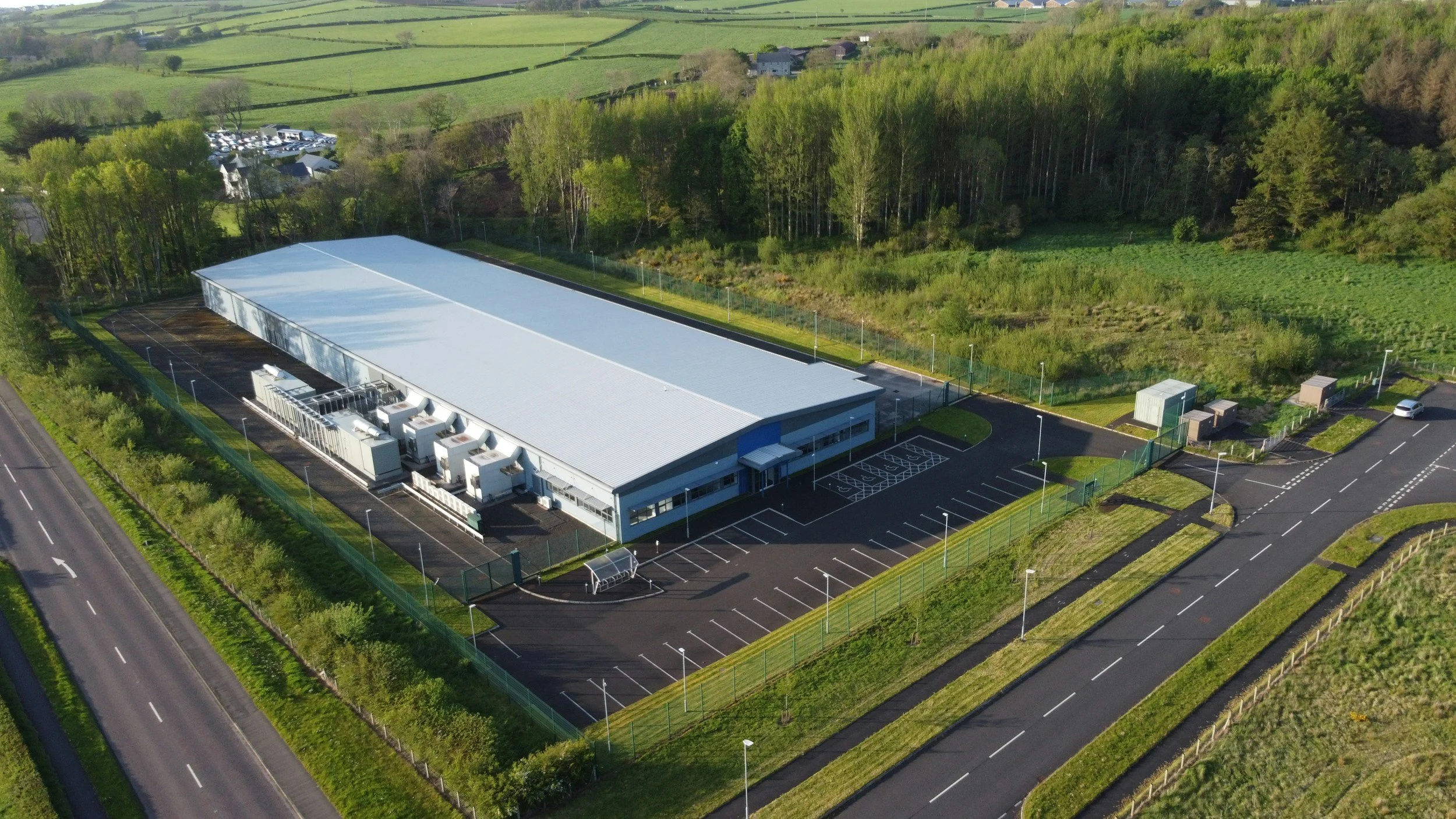
Slough hosts an estimated 30-40 large data centres, serving major technology companies including Amazon, Google, Oracle and Microsoft.
Additional facilities are planned, further increasing the density of computing infrastructure in the area.
Data centres may be increasing local temperatures.
Emerging research from Cambridge University suggests data centres can create a "data heat island" effect.
The study indicates temperature increases of ~2°C on average in the surrounding area with up to 9°C in some locations close to facilities.
The effect is caused by the large amounts of waste heat generated by servers and expelled through cooling systems.
Residents report worsening heat conditions. Local residents and workers describe unusually intense summer temperatures and question whether data centres are contributing to the problem. Weather observations cited in the article suggest areas closest to the data centre campus can be noticeably hotter than nearby locations.
The science is still developing. Researchers emphasise that the field is relatively new and more evidence is needed. However, researchers note that Slough may represent a unique case because of the exceptionally large concentration of data centres, making it a real-world test case for understanding future impacts.
AI growth could increase the issue. Modern AI infrastructure requires extremely energy-intensive computing and cooling systems. As demand for AI and cloud services grows, data centres are expected to become larger and consume more power, potentially increasing waste heat generation.

The Bottom line: The article argues that Slough may be an early example of how rapid growth in AI-driven data centre infrastructure could create localized heating effects, raising important questions about community impacts, climate adaptation and the sustainability of future digital infrastructure.