
Fred’s Field
About The Land
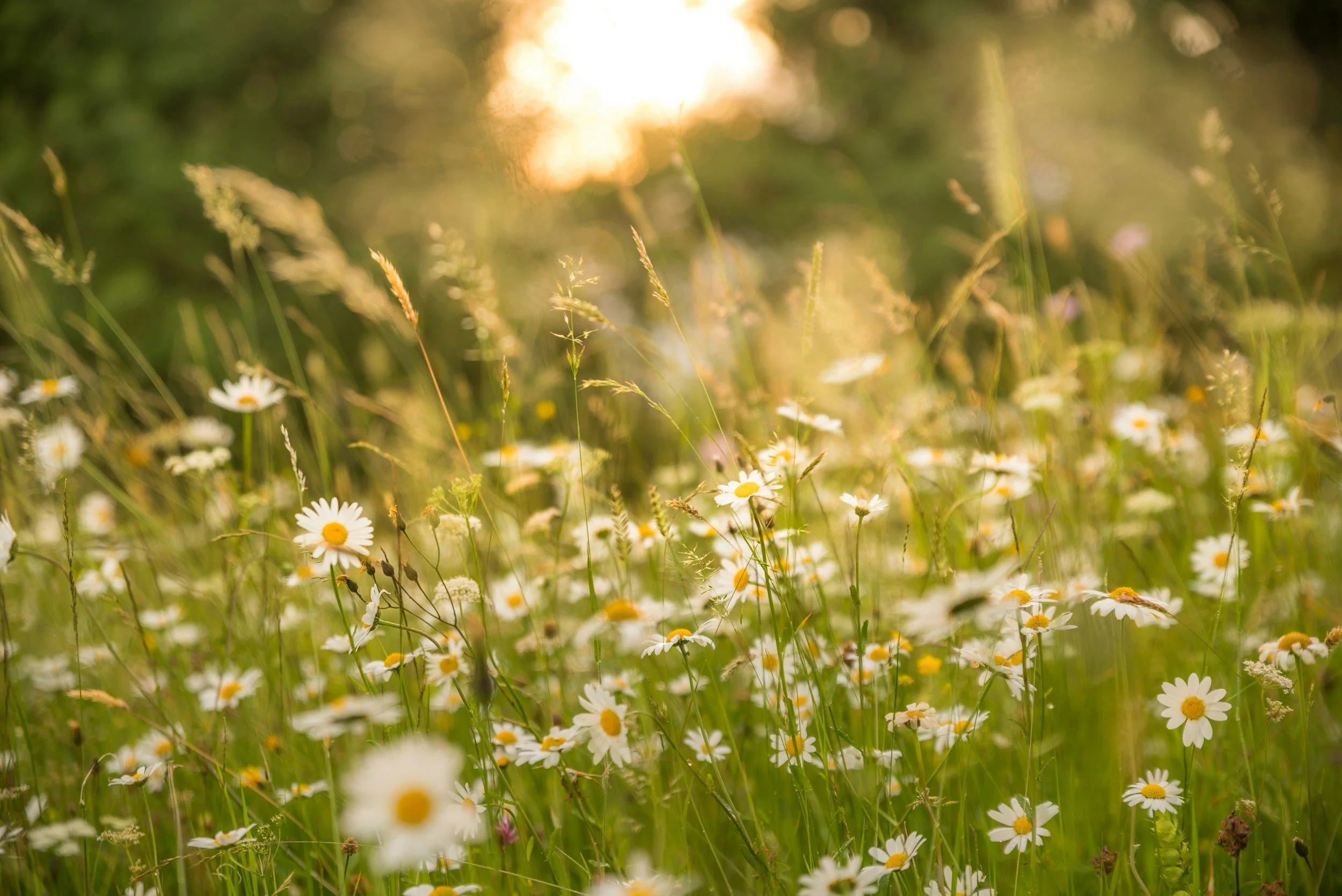
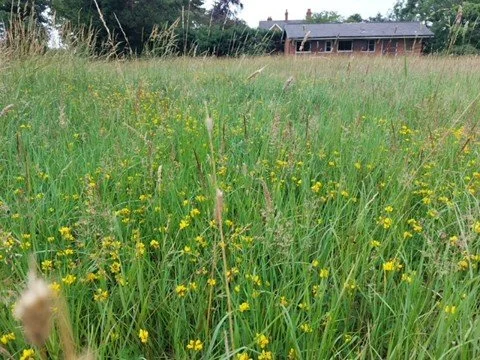
Our family has owned this piece of land just outside Tattenhall on Tattenhall Road (location: what three words/// wardrobe.ballroom.contained) since the late 1980s. It is about 3½ acres that we are now managing in the best way for wildlife to thrive. We want to contribute to restoring Cheshire’s biodiversity that we have seen so badly depleted since we grew up here 40 years ago.
For the last five years we have taken the advice of Cheshire Wildlife Trust to achieve our aims. They have supported us in establishing a traditional hay meadow, aiming to increase coverage by native wildflowers which will boost the local ecosystem. We have also restored the pond in the northeast corner as the inclusion of water or wetland greatly boosts the variety of plant and animal species that can be supported.
Progress: Although the project will take a few more years to establish, it is already buzzing with crickets, bees and butterflies in the summer months and the biodiversity is much improved.
In 2025 and 2026 we recorded 25 plant species including many wildflowers, 14 grasses, 16 butterfly and moth species, 10 bee and hoverfly species and 13 other invertebrates including beetles, spiders and damsel flies.
Historic Management
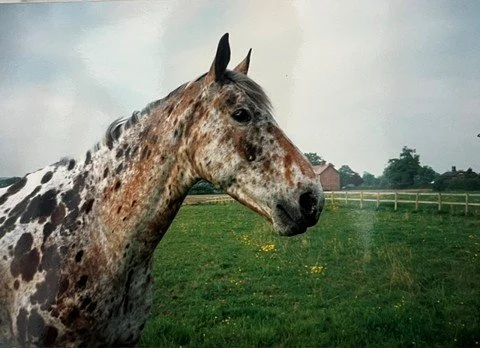
From around 1989 to 2015 the field was grazed by horses – including our own horse Fred – although the clay land did not make it easy, being very wet and deep in the winter and rock hard through the summer months.
Land drains were put in in the late 1980s after which it was mole-ploughed (to aerate the soil) – this was the most recent mechanical disturbance of the soil structure. The land has not been chemically fertilised since at least the late 1980s.
Since then, manure from horses will have fertilised the land until around ten years ago and in the last few years sheep have occasionally broken into the field for a few days at a time.
Other influences on the soil will have included parasitic wormers used for the horses. Until the last few years, it was normal to routinely and preventatively worm horses against various parasites. The chemicals used have been shown to negatively affect soil fauna and invertebrates that break down manure, as well as affecting water sources and plant growth.
Before our ownership, the land was laid to grass for grazing or silage.
Biodiversity Restoration
Cheshire’s wildlife has suffered greatly from destruction of habitat by intensive agriculture and development and is also now subject to the changing climate. Tattenhall is surrounded almost completely by the monoculture of dairy pasture or feed crops which is treated intensively with chemicals and worked with machinery. This damages the soil and results in poor biodiversity. Many hedgerows and trees have been removed over the years to make farming the land more efficient, but removing valuable habitat in the process.
In the 1980s, we saw a lot of wildlife in the local area. For example, Lapwing displayed and nested in the fields around Tattenhall, we often saw hares from our childhood bedroom windows, and a family of little owls would line up on the branch of the oak tree in our garden.
In one generation, farmland birds have reduced in numbers by 63% [i] and Cheshire is one of the most depleted counties having lost more species than in any other rural county in England, with 156 species becoming extinct since 1950.[ii]
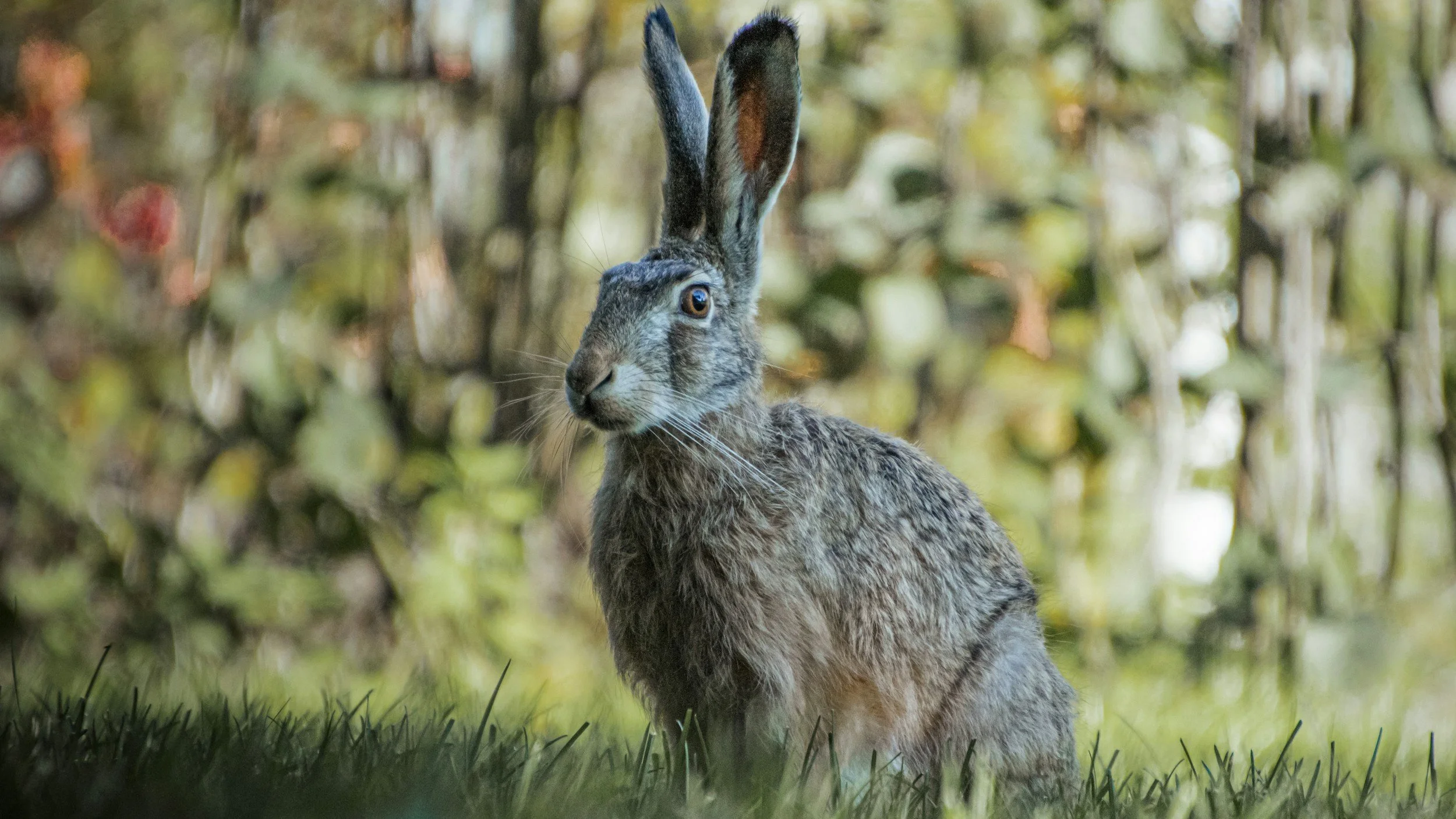
Hares: In the last 100 years, the UK Hare population has declined by 80%.[i] This dramatic fall in numbers is mainly due to intensive farming (including farm machinery), insufficient set-aside around field perimeters, a lack of hedgerows and woodland, and overall destruction of habitat.
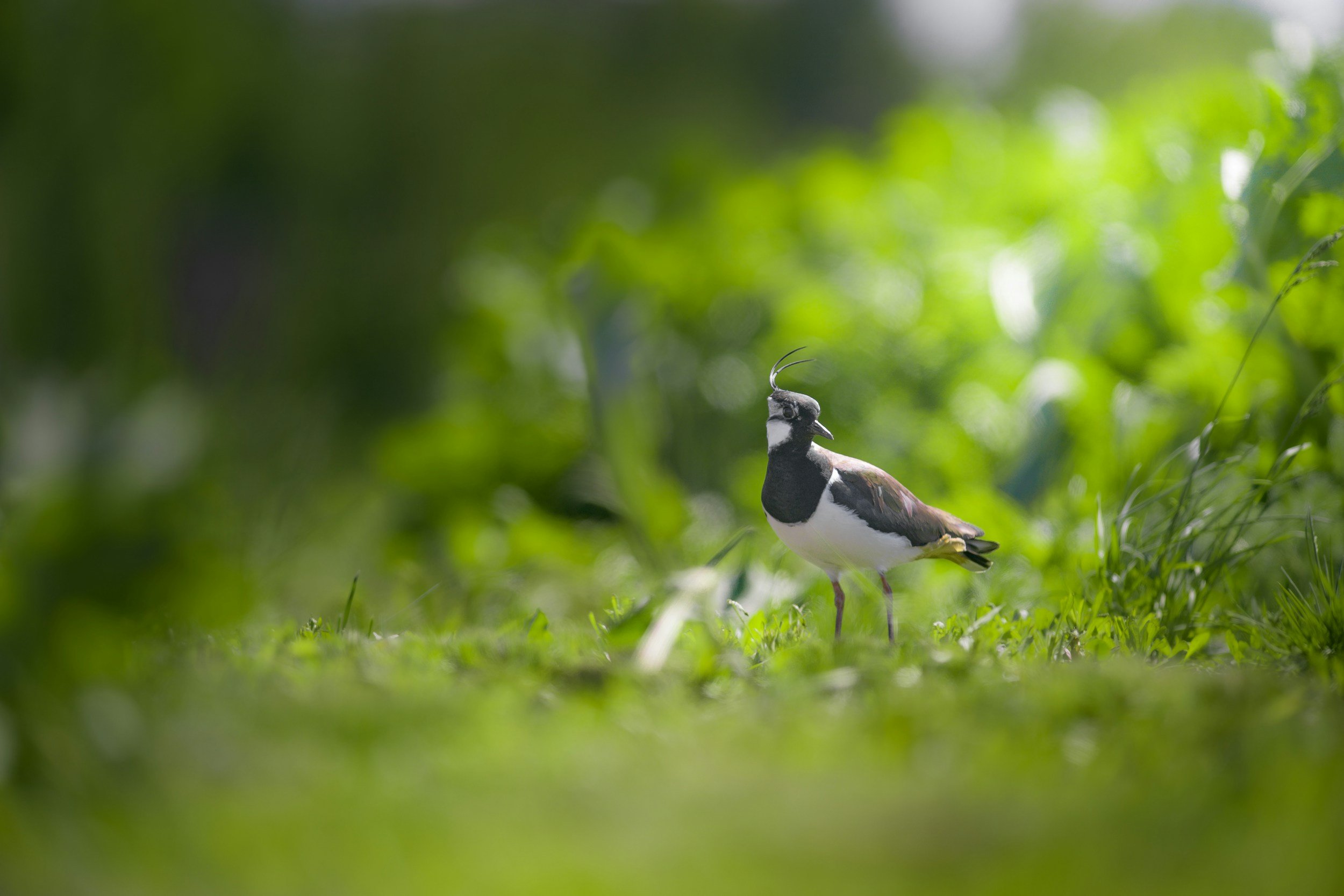
Lapwing: The UK Lapwing population has declined by approximately 55-63% since 1967, driven by the loss of mixed farming, increased intensification of grassland, and a switch to autumn-sown crops. Now red-listed as a species of conservation concern.[i]
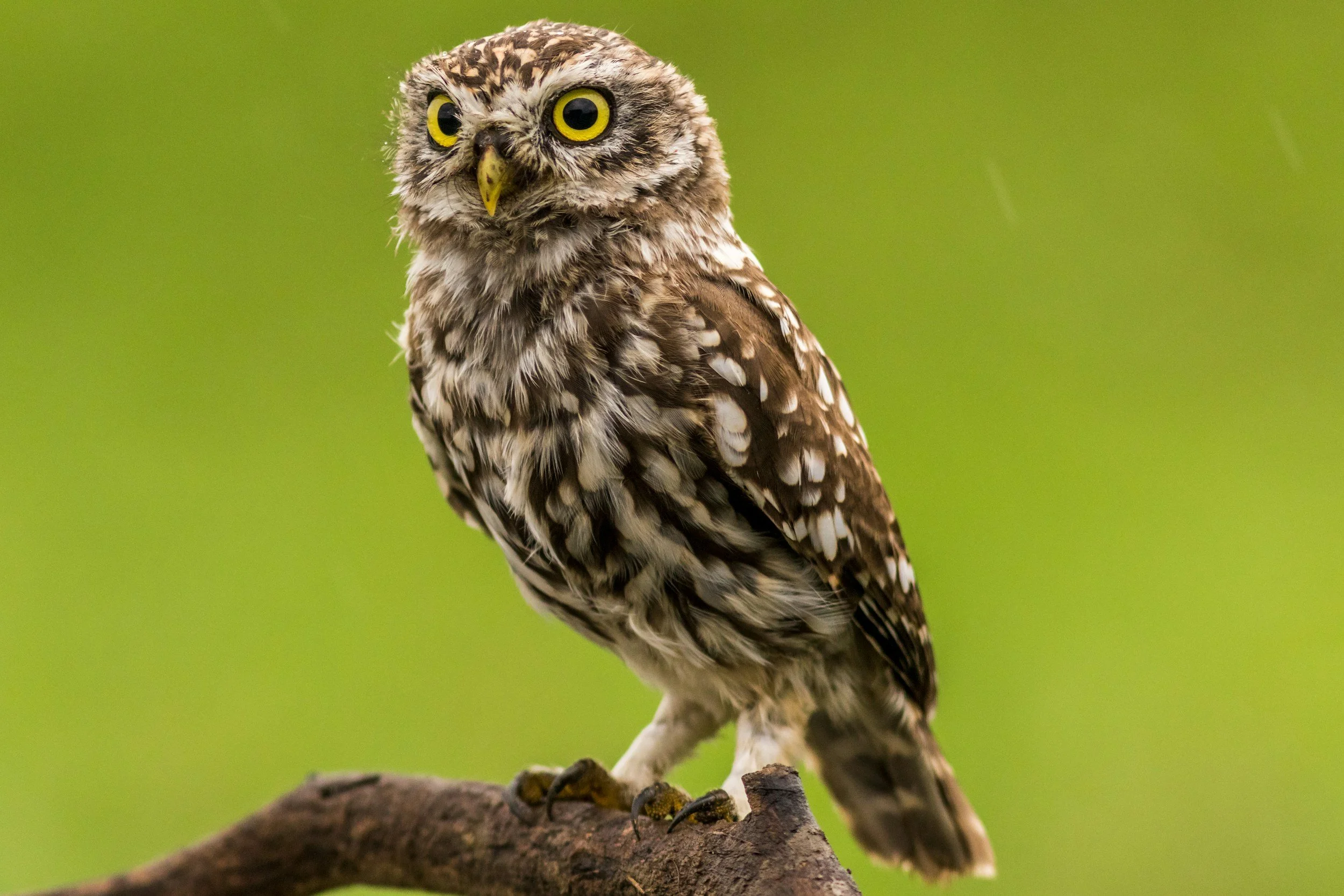
Little Owl: From 1967 to 2023 Little Owl numbers declined by 83%.[i] Causes include changes in farming practices, loss of orchards and hollow trees and the impact of pesticides, pollution and climate change.
Our efforts to restore Cheshire’s biodiversity aren’t just for the love of nature. Without a functioning ecosystem and biological diversity, the support system for human life collapses. We rely on nature for food production and clean water, as the source of many medicines and to prevent extreme weather events including flooding.
We believe everyone’s contribution matters – no matter how small – and we hope this meadow will be enjoyed by others and might inspire and educate along the way.
Learn more about how humans rely on biodiversity here.
Traditional Hay Meadow Management
We are aiming for a diverse mixture of grasses and wildflowers to offer a valuable nectar source for a whole host of pollinating insects such as bees and butterflies as well as beetles, moths and hoverflies. These in turn provide a food source for other animals including bats, amphibians, reptiles, small mammals and birds.
Many types of plants and wildflowers find it difficult to compete with vigorous grasses on rich, fertile soil, which clay tends to be. We therefore need to give the wildflowers a helping hand by weakening the dominant grasses. This is done by taking a hay cut in late summer (after seeds have dropped to the ground) and removing the arisings (cut grass) from the field so as not to enrich the soil.
In 2025, CWT helped us manage a few types of plant that would make the hay un-desirable for livestock owners. The main plants of concern are ragwort, docks and creeping thistle.
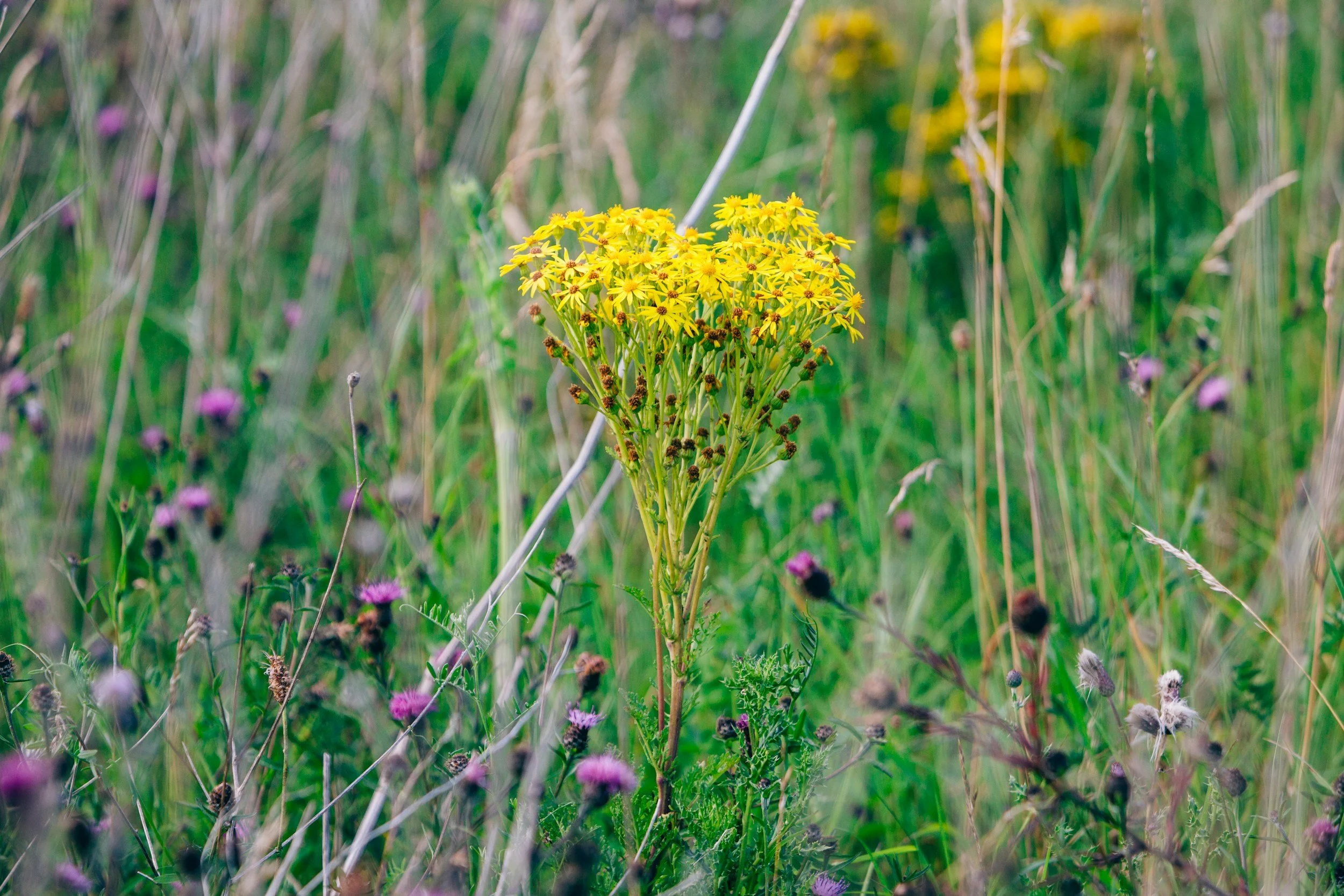
Ragwort: As the National Trust recognises, [i] ragwort is one of the most important plants for pollinators. It provides food for around 178 different insect species – 27 of which feed on ragwort alone. However, it is generally believed to be harmful if eaten by horses and cattle. Over the years this has given ragwort a bad reputation, and yet there is no reliable data to prove the harm caused to horses or cattle. As we have had horses ourselves for several decades, we are keen to keep abreast of the latest thinking. Ragwort is a complex and resilient plant! In 2026 we again removed almost all second year flowering plants and some first year in the rosette stage but in long grass, it is impossible to do this thoroughly. If the hay isn’t suitable for livestock it has to be piled at the side of the field to rot – at least it will provide habitat for small mammals, invertebrates and perhaps some reptiles.
In Autumn 2025 the CWT team planted 2000 plug plants grown in their nursery from locally collected seeds: Ragged Robin, Oxeye Daisy, Greater Bird’s Foot Trefoil, Self Heal, Rough Hawksbit, Betany, Common Knapweed. We also sowed a mix of annual seed that included Yellow Rattle – this is known as the ‘Meadow Maker’ because it parasitises grasses which weakens them and allows less vigorous plants and flowers to increase in numbers and become established. Some of these have been evident in Summer 2026 and we expect to see more next year as some of these plants become more vigorous year by year.
In 2025 the CWT team also collected seed prior to the hay cut so these could be grown at the nursery and contribute to other local projects. In 2026 we collected Yellow Rattle seed to sow across the field in the Autumn.
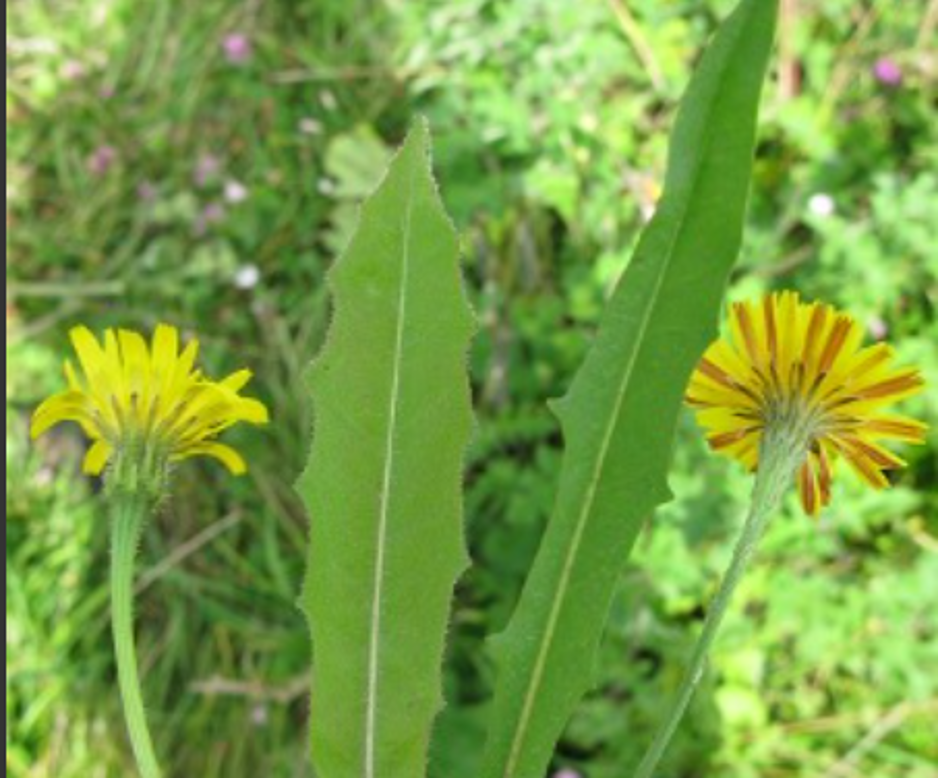
Rough Hawksbit
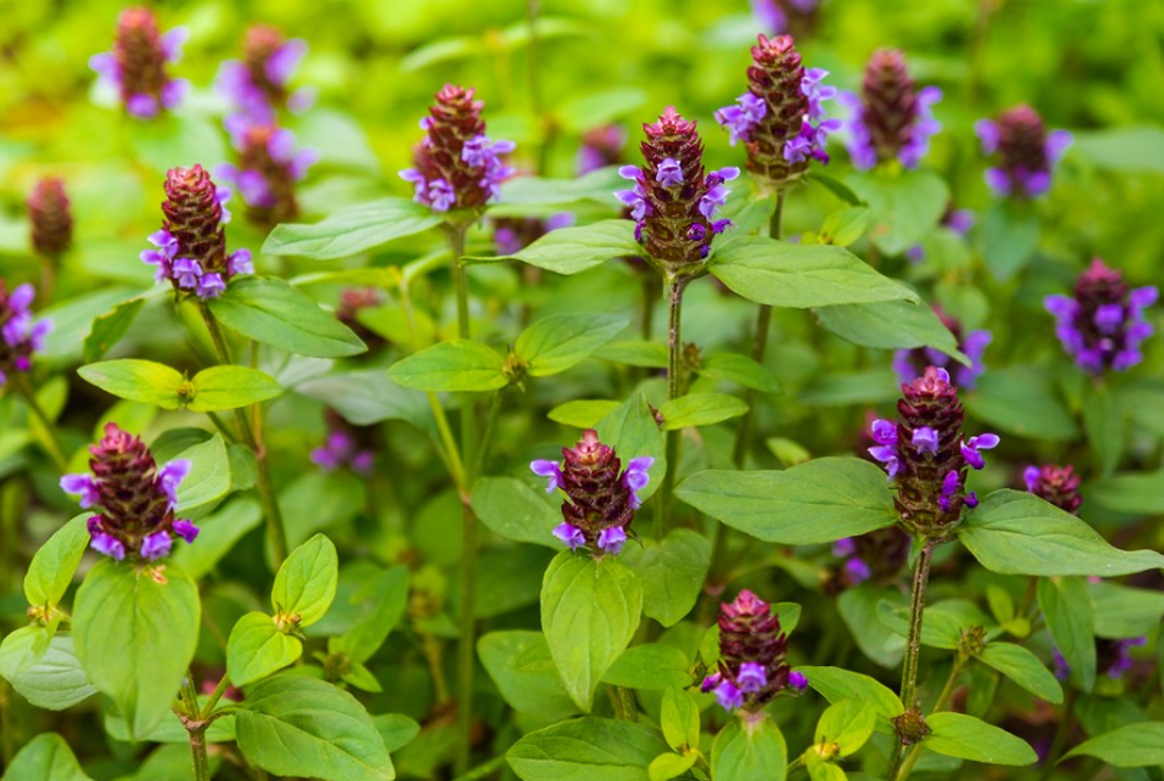
Self Heal
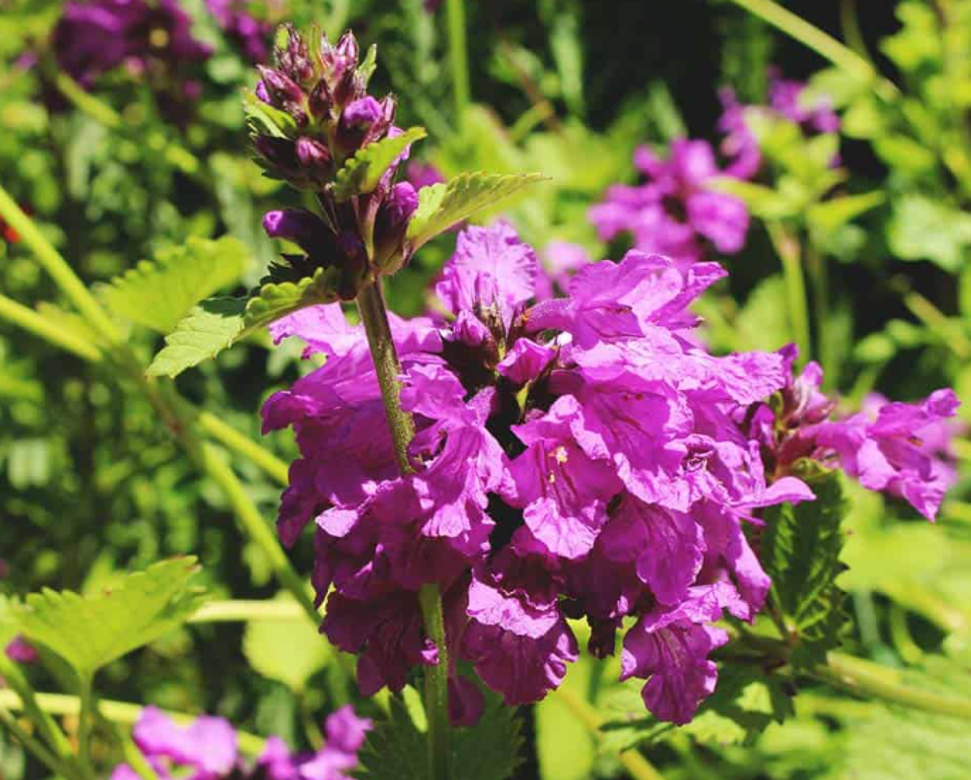
Bettany
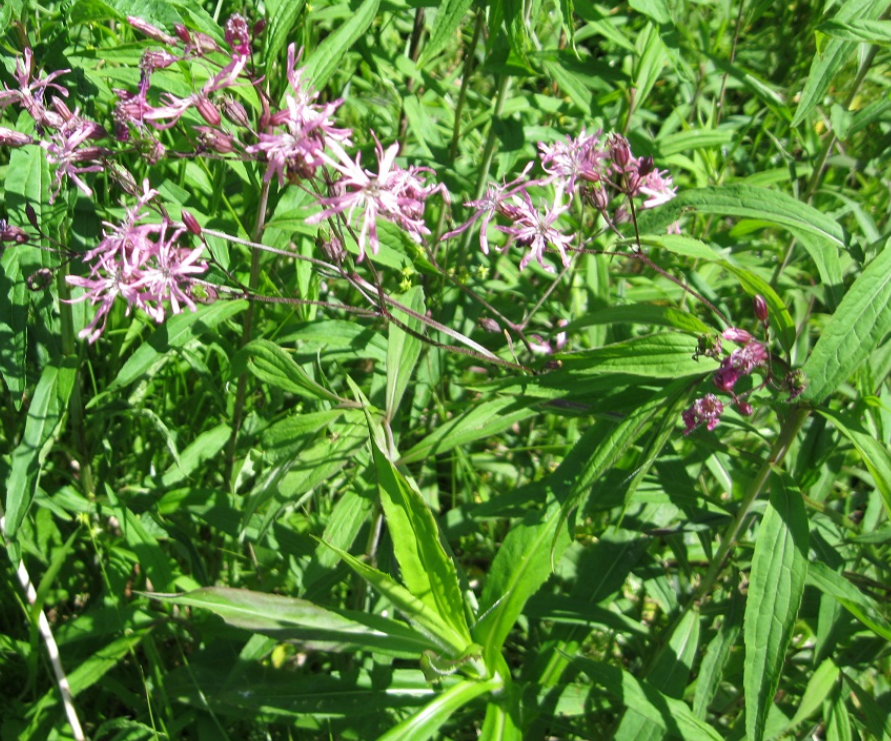
Ragged Robin
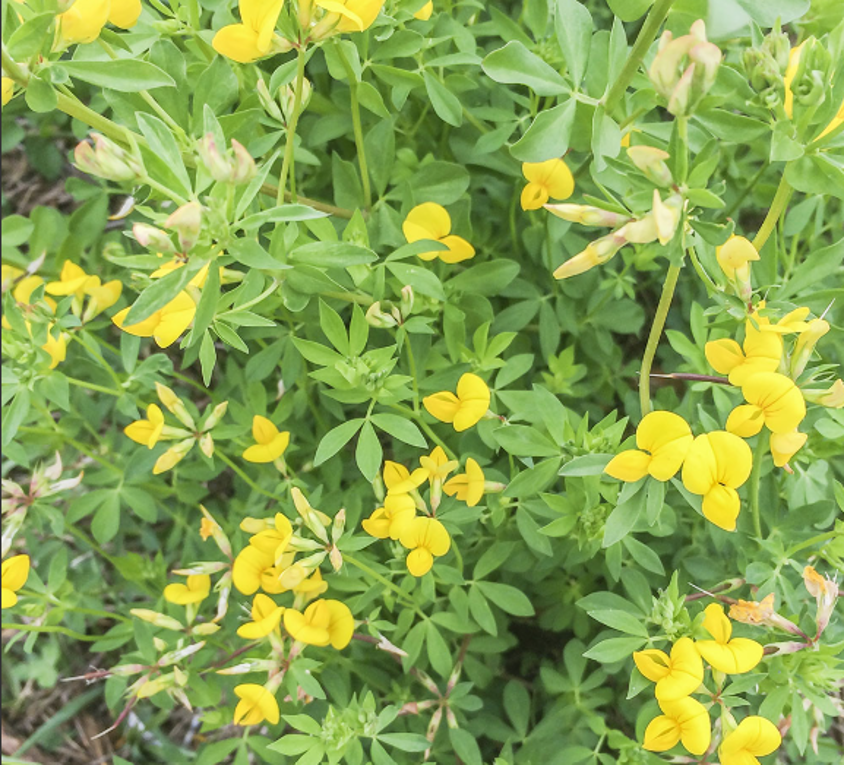
Greater Birdsfoot Trefoil
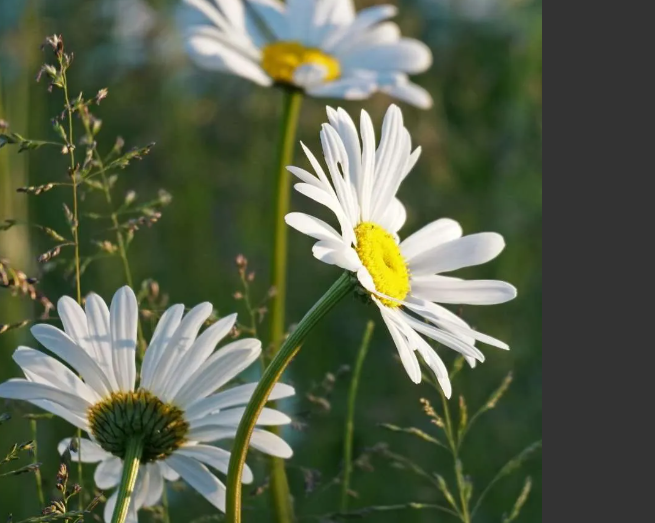
Oxeye Daisy
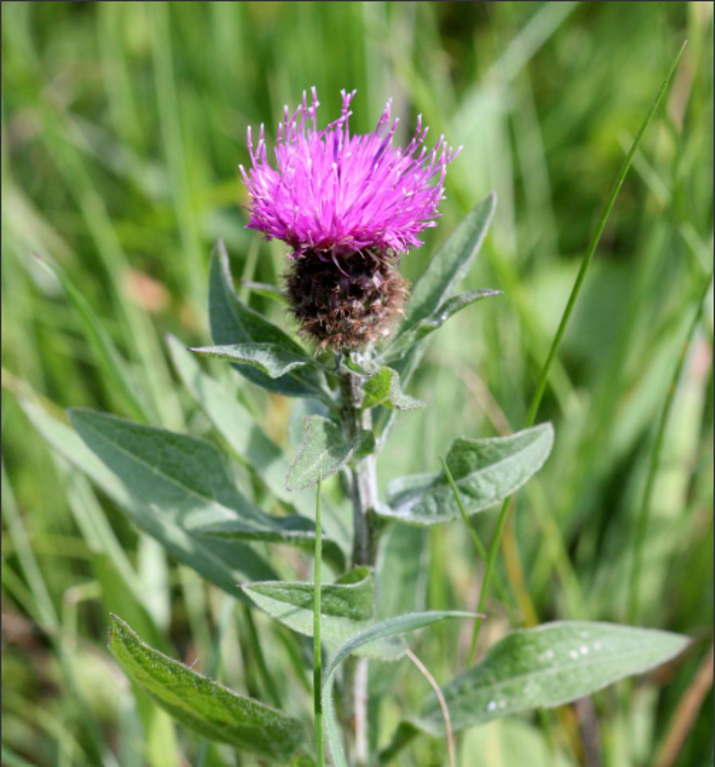
Common Knapweed
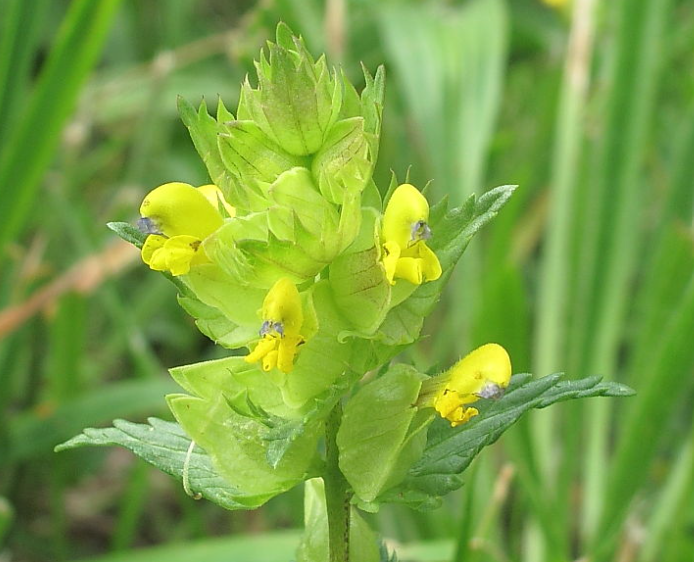
Yellow Rattle
We have been lucky to benefit from the skills and time of an entomologist and a botanist who live locally and who conducted a survey in Summer 2025 and again in 2026.
2025 results:
- 14 types of grass were found with agricultural grasses now in lower quantities than meadow types
- 15 other plants and flowers were identified, some of which are good for a hay meadow and some that are less desirable in hay such as creeping thistle, nettle and dock so we hope to see an improvement in coming years following the recent interventions
- 10 types of butterfly, plus bees, hoverflies, wasps and moths
- 2 types of grasshopper/cricket including Roesel’s bush cricket – Roeselia roselii – only known to be present in Cheshire in the last 5-6 years
2026 results:
- 9 additional plants present including Yellow Rattle and Ox Eye Daisy
- 4 additional butterflies present – Ringlet, Essex Skipper, Small White and Comma
- 2 damsel flies present – Blue-Tailed and Common Blue
More details about wildflower meadow management can be found here.
Pond restoration
Introducing water habitat can greatly increase biodiversity. In the last 35 years there has always been a wetter area of the field and we discovered on Ordnance Survey maps that until at least 1977, a pond existed here, enabling us to restore it in July 2025. This was done as part of Natural England’s scheme to create and improve pond habitat for Great Crested Newts in Cheshire West and Chester. Cheshire West and Chester Council carried out this work and will continue to monitor progress.
In 2026 we have seen evidence of a small deer species and perhaps badger at the pond edges and Swallows and House Martins drinking and feeding over the water and field.
Hedgerow Management
Well managed hedges with diverse plant species are important for birds, invertebrates and mammals, providing food sources, shelter and nature corridors. They also reduce soil erosion and water regulation while storing carbon. However, if they are poorly managed, these benefits can be lost.
The hedges are now wide and high providing locally unusual habitat for nesting birds. We cut the hedges on a diagonal angle and on a three-year rotation. This means each section is allowed several seasons to grow and the base is wide and vegetation thick. This provides shelter for nesting birds and cover for small mammals that may use the hedge as a corridor. Species include Hawthorn, Blackthorn, Hazel, Bramble, Crab Apple and Dog Rose.
Trees
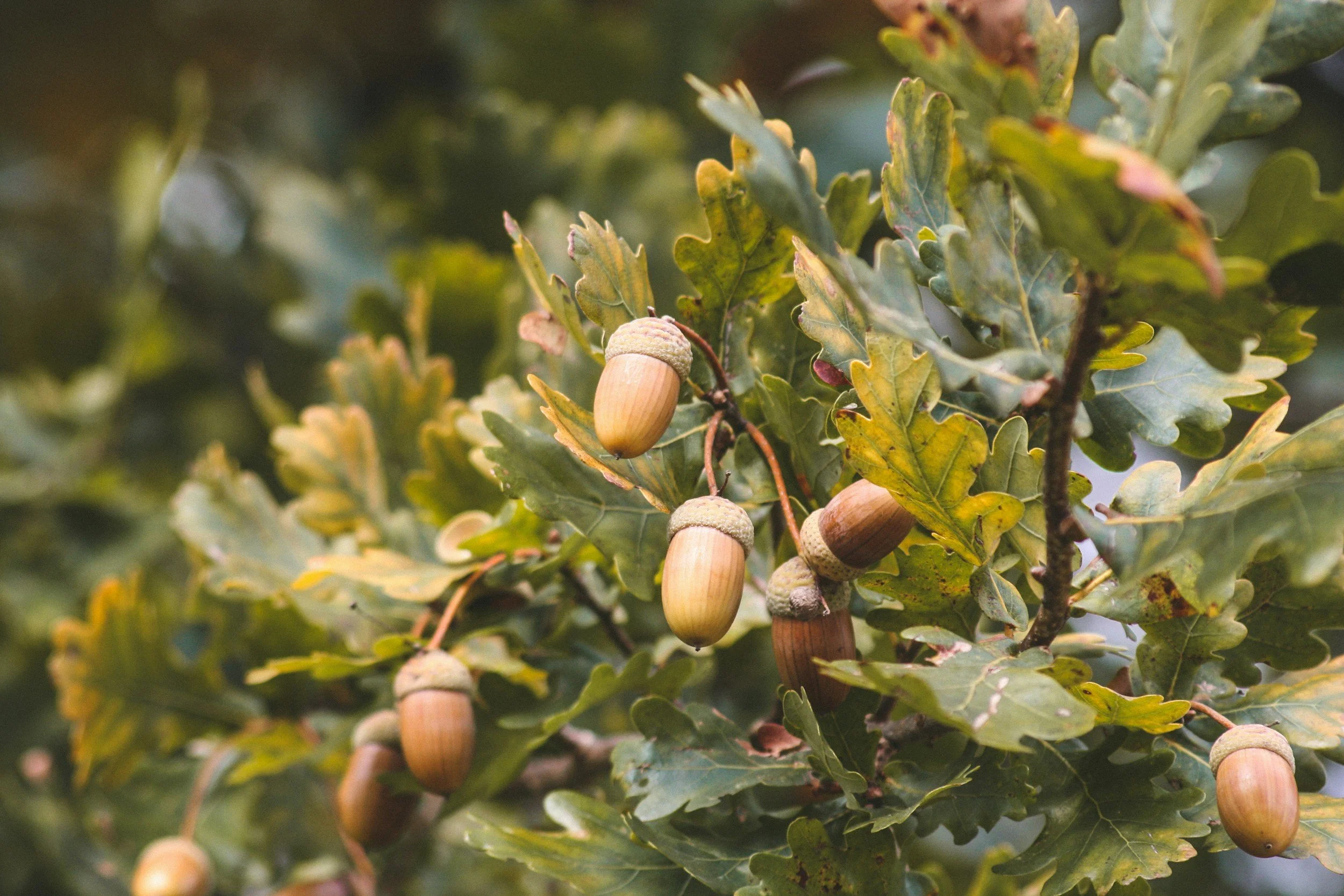
There are two mature oak trees in the hedgerows and several saplings within the field boundary.
Oaks support more life than any other type of tree. They are known to support more than 2,300 species, including over 400 species of invertebrates, lichens and mosses. Ivy around our oaks provides critical winter forage for many species of bird and insect, and well as good cover for nesting.
In Winter 2024 a large branch fell from the oak behind the pond – we have left this in situ as dead wood is just as important to the ecosystem as living trees. The ash tree along the East hedge has been left in place as standing deadwood.
1,178 invertebrate species use oak in total, and 257 of them rely solely on this tree.[i]
More about oak tree ecosystems can be found here.
Stable Block
The stable block was built in the late 1980s and is now being used for storage by Transition Tattenhall.
Several pairs of Swallows have occupied the stables every summer since. Numbers are estimated to have dropped by 25% between 1995 and 2023[i] so it is great the stables provide this nesting spot.
In December 2024 the neighbours’ Black Pine fell on to the stables causing significant damage which we are very pleased has now been repaired, thanks to much hard work by Transition Tattenhall. Thank you very much!
Thank you
Our thanks to Transition Tattenhall, Cheshire Wildlife Trust and Cheshire West and Chester Council’s Biodiversity and Green Infrastructure, Planning and Placemaking team for their support with this project to create more space for nature.
Sian and Alison Wright
References
[b] Cheshire & Warrington Local Nature Recovery Strategy. http://tiny.cc/8ogz001
[c] BTO and RSPB
[d] https://hare-preservation-trust.com/species-status/brown-hare-history-status/
[e] https://www.bto.org/learn/about-birds/birdfacts/little-owl
[f] https://www.nationaltrust.org.uk/visit/dorset/spyway/ragwort
[g] https://www.woodlandtrust.org.uk/trees-woods-and-wildlife/british-trees/oak-tree-wildlife/